Kate Winslet’s ‘The Reader’: High Profiling the ‘Nazi-‘ Constituent of Fiefdom-Totalitarian Commu-Nazi Genocidal Racism, the Fiefdom Treatise
and the Isolation-Deprivation Issue and Servicing the Custodian
Chief Executive’s International Persona
© 2009 Brad Kempo B.A. LL.B.
Barrister & Solicitor
The coalition has gone to great lengths to underscore the parallel between the Nazis treatment of Jews in concentration camps for four years and the Custodian Chief being an enslaved and tortured human experimentation victim non-stop for the Chinada High Command over a twenty-year period. ‘The Reader’ was another medium through which the partnership expressed severe condemnation and the appropriateness of lethal military force and capital punishment for this late 20th and early 21st century atrocity.
One of those “great lengths” was manufactured and then publicized for the whole world to reflect upon the day after completing the first stage of transcription and documentation of ‘The Reader’:
“Arbeit Macht Frie” sign stolen from Auschwitz
Jewish Telegraphic Agency
December 18, 2009
BERLIN – The "Arbeit Macht Frei" sign was stolen from the memorial at the Auschwitz death camp.
Polish police reported Friday that the 16-foot long metal sign with the words meaning "Work will set you free" was gone. A hunt for the perpetrators is under way, and a reward of $1,700 has been offered for information leading to the sign's return.
A spokesperson for the Auschwitz-Birkenau Museum, Jaroslaw Mensfelt, told AFP that the sign must have been removed just before sunrise. He called the theft "a profanation of the place where more than a million people were murdered. It's shameful."
The sign was the original one that prisoners were forced to make, and it hung on hooks from the gate, according to Mensfelt. He said it was the first major theft at the memorial, which has watchmen posted round the clock.

A Major Canadian newspaper headline says it all in the context of what this event means geo-politically:
The Auschwitz reminder
by Toby Trompeter Kraman
Globe & Mail
December 19, 2009
On December 21st, the CBS News reported the ‘alleged perpetrators’ had been caught. The lexicon was again embedded and with the assistance of Polish authorities. It was stated that there were five thieves who cut the sign into three sections; and footage was broadcast of one of them being hauled out of a police vehicle attired in prison certainty and quantum.

View video [segment begins @ 12:14]
It wasn’t just the documentation of the geo-politicized film ‘The Reader’ that procured this cleverly arranged newsworthy event. The ‘theft’ sought to underscore both the accuracy of the Fiefdom treatise research project’s conclusions about the true nature of Canadian governance and the significance of all coalition initiatives that’ve corroboratively drawn parallels between the Nazi and the Chinada High Commands:
As was stated in the supplemental on Daniel Craig’s Nazi-Chinada profiling movie ‘Defiance’ “Israeli government leaders and their Chinada-hating citizens around the world have repeatedly contributed to the diplomacy”:
· Coalition Partners Rail Against Canada’s PM at the 65th Commemoration of D-Day
And how did the Chinada High Command react to all this condemnation: More Evidence of Canada’s “Incestuous Megalomania”: PM Harper Receives High Chinada Honor from Canadian Jewish Congress and Dogville Police in Collusion With Chinada Principals Employ Inefficacious Intimidation in Response to the Geo-Politicization of ‘Regis & Kelly’ and the Tom Cruise Nazi-Comparing Movie ‘Valkyrie’.
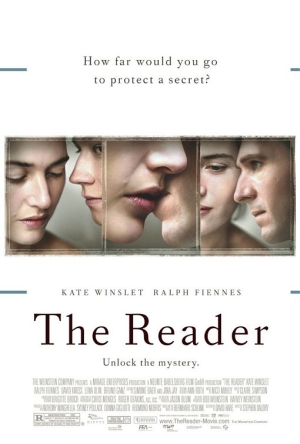
Kate interview: Z-J M. @ 0:35 View video
The Reader is a 2008 drama film based on the 1995 German novel of the same name by Bernhard Schlink. The film adaptation was written by David Hare and directed by Stephen Daldry. Ralph Fiennes and Kate Winslet star along with the young actor David Kross. Winslet received praise and won a Golden Globe Award for Best Supporting Actress, BAFTA Award for Best Actress, Screen Actors Guild Award for Outstanding Supporting Actress and the Academy Award for Best Actress at the 81st Academy Awards for her role in the film. The film was also nominated for several other major awards including the Academy Award for Best Picture.
The Reader begins in 1995 Berlin, where Michael Berg (Ralph Fiennes) is preparing breakfast for a woman who has spent the night with him. After she leaves, Michael watches an S-Bahn pass by, flashing back to a tram in 1958 Neustadt. A teenage Michael (David Kross) gets off because he is feeling sick and wanders around the streets afterwards, finally pausing in the entryway of a nearby apartment building where he vomits. Hanna Schmitz (Kate Winslet), the tram conductor, comes in and assists him in returning home.
Michael, diagnosed with scarlet fever, must rest at home for the next three months. After he recovers he visits Hanna. The 36 year old Hanna seduces and begins an affair with the 15 year old boy. During their liaisons, at her apartment, he reads to her literary works he is studying, such as The Odyssey, The Lady with the Little Dog, Adventures of Huckleberry Finn, and Tintin. After a bicycling trip, Hanna learns she is being promoted to a clerical job at the tram company. She abruptly moves without leaving a trace.
After seeing the adult Michael, a lawyer, the audience sees him (played again by David Kross) at Heidelberg University law school in 1966. As part of a special seminar taught by Professor Rohl (Bruno Ganz), a camp survivor, he observes a trial (similar to the Frankfurt Auschwitz Trials) of several women who were accused of letting 300 Jewish women die in a burning church when they were SS guards on the death march following the 1944 evacuation of Auschwitz. Hanna is one of the defendants.
Stunned, Michael visits a former camp himself. The trial divides the seminar, with one student angrily saying there is nothing to be learned from it other than that evil acts occurred and that the older generation of Germans should kill themselves for their failure to act then.
The key evidence is the testimony of Ilana Mather (Alexandra Maria Lara), author of a memoir of how she and her mother, who also testifies in court, survived. Hanna, unlike her fellow defendants, admits that Auschwitz was an extermination camp and that the ten women she chose during each month's Selektion were gassed. She denies authorship of a report on the church fire, despite pressure from the other defendants, but then admits it rather than complying with a demand to provide a handwriting sample.
Michael then realizes Hanna's secret: she is a functional illiterate, and has concealed it her whole life. The other female guards who claim that she wrote the report are lying in order to place the brunt of the responsibility on Hanna. Michael informs Rohl that he has information favorable to one of the defendants but is not sure what to do since she wants to avoid disclosing this. Rohl tells him that if he has learned nothing from the past there is no point in having the seminar.
Hanna receives a life sentence for her admitted but untrue leadership role in the church deaths while the other defendants get shorter terms. Michael meanwhile marries, has a daughter and divorces. Rediscovering his books and notes from the time of his affair, he begins reading them into a tape recorder. He sends the cassette tapes, a tape recorder, and the books to Hanna. Eventually she learns to read and write, and she writes back to him.
Michael does not write back or visit, but keeps sending tapes, and in 1988 a prison official (Linda Bassett) telephones him to seek his help with Hanna's transition into society upon her upcoming release. He finds a place for her to live and a job, and finally visits. When they meet after 30 years, he remains somewhat distant and confronts her about what she has learnt from her past. Both end up being disappointed. The night before her release Hanna hangs herself and leaves a tea tin with cash in it and a note to Michael, asking him to give the cash from the tea tin and some money in a bank account to Ilana.
Michael travels to New York. He meets Ilana (Lena Olin) and confesses his past relationship with Hanna. He tells her about the suicide note, and that Hanna was illiterate for most of her life. Ilana tells Michael there is nothing to be learned from the camps. Michael suggests that he donate the money to an organization that combats adult illiteracy, preferably a Jewish one, and she agrees. Ilana keeps the tea tin since it is similar to one stolen from her in Auschwitz.
The film ends with Michael getting back together with his daughter, Julia, at Hanna's grave and beginning to tell her the story.
Source: wikipedia.com
As per standard protocol, the lexicon is embedded at the very first opportunity in the script. The very first scene is a close-up of the protagonist preparing a hard-boiled egg for breakfast. Producers are metaphorically referring to the saying “hard egg to crack”, being geo-representative of how difficult it is to contain China’s Soviet-style imperialism, given how, unlike the 20th century threat, the country is economically interconnected throughout the world and has become the world’s banker. They then run the camera across the sink after it has been eaten, including a dishrag containing the colors of Chinada.

Another egg is set on the table for his girlfriend. She appears first nude and then in a bathrobe, asking him what his plans are for the day. He indicates he’s going to see his daughter. She’s choreographed to effect a Brooke Maneuver to her reply “You’ve kept very quiet about her” – another in a string of communiqués about the need for coalition confidentiality (1, 2, 3, 4, 5, 6, 7, 8, 9).

The isolation-deprivation theme is then introduced – a subject that’s integral to the geo-purpose of the film. As she departs he executes a double-handed British Parliamentary Maneuver. Producers then immediately cut to a clip of the bedroom where they’d made love the night before. The bed is in the foreground.
His flashback then commences – beginning with him being very sick as a teenage boy and riding a tram. This is where the first direct reference to the Custodian Chief is introduced; by way of identifying the year of his birth: 1958.

He’s got the flu and he momentarily finds refuge from the rain in an apartment entranceway, where he is met by and consoled by a stranger. She sees he’s in trouble and walks him home to ensure he gets the attention he needs.
The prison certainty theme is introduced at the dinner table. His father, attired in the lexiconically significant pattern, remarks “the boy’s saying he doesn’t need a doctor” – referring to Canada’s pubescent sociopaths who are convinced they aren’t suffering from any mental deficiency. The coalition has an immense amount of proof they are, and it’s worsening.

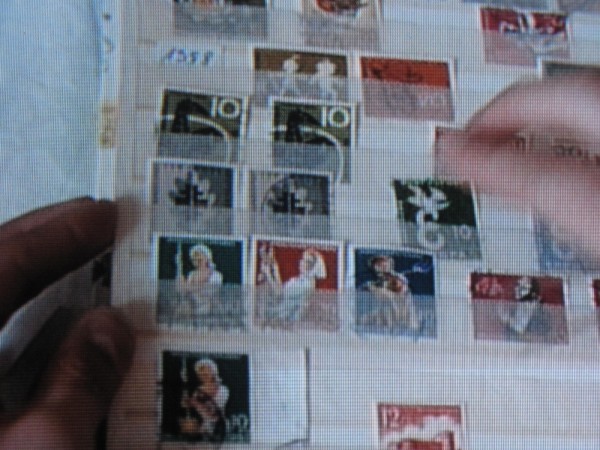
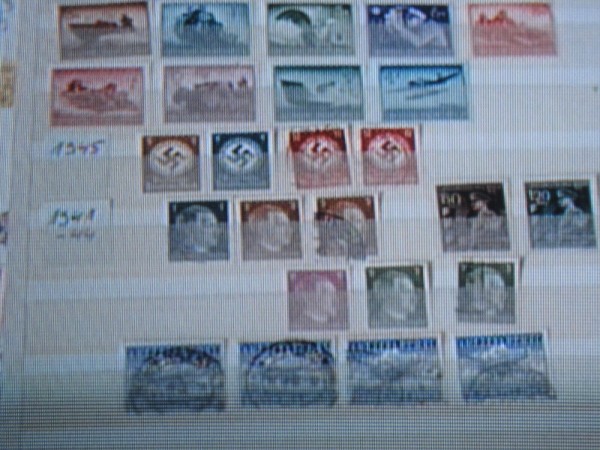
The doctor arrives and indicates the teenager is going to be bedridden for several months. One of the protagonist’s hobbies is stamp collecting, which he enjoys while recovering. Producers insert one close-up of his collection – two 10 cent stamps, an enslaving human experimentation reference, and immediately followed by stamps with the swastika – linking what Chinada principal’s institutionalized and militarized.
When Michael fully recovers he seeks out the woman who helped him. Hanna invites him in and during the scene changes in front of him. He observes this and being a virgin is shaken. Contemporaneous with his first experience seeing a woman’s pubic hairs gets flustered, producers insert another prison certainty reference. This time it’s the chain link fence pattern. Its purpose is to condemn intimacy deprivation the Custodian Chief suffered to advance the experimentation program. His shyness takes him over and he bolts from the apartment.
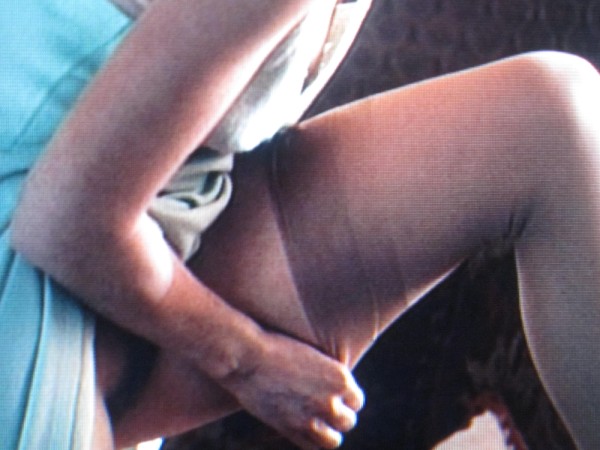

Over the coming days he becomes enthralled with her and returns. She, in her thirties, is amused at his teenage infatuation and decides to begin an affair with him. Producers fill her home with the lexiconic colors and pattern of Canadian prison certainty.

As her new companion she asks him to read to her; as it would be discovered later in the film she’s illiterate. While in the bath together and he is fulfilling his major purpose in this respect, Hanna executes a double-handed Clooney Maneuver to “you should be ashamed”, publicly referring to the book he borrowed from a classmate she finds offensive; and geo-politically is another instance of the ‘embarrassment’ constituent of the Triple “E” formula for coalition engagement with the China-Canada military alliance (encircle, embarrass, embargo). At the same time he’s choreographed to effect a Clooney Maneuver. He props the book on his nose.
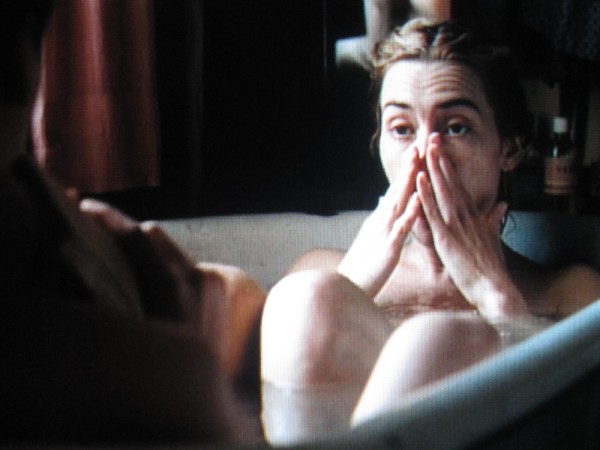
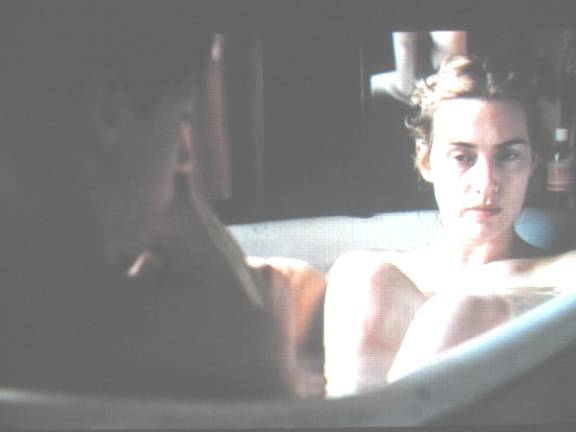
An Execution Maneuver and Chinada prison certainty is added a bit later when he’s reading a comic book to her. Dramatically he recites the author’s dialogue and stops to ask her what her interpretation is: “What did you expect it to be?” – which is the producers way of rhetorically asking the malfeasant what punishments do they think is forthcoming from institutionalizing and militarizing human experimentation in the same fashion the Nazis did during the Second World War.

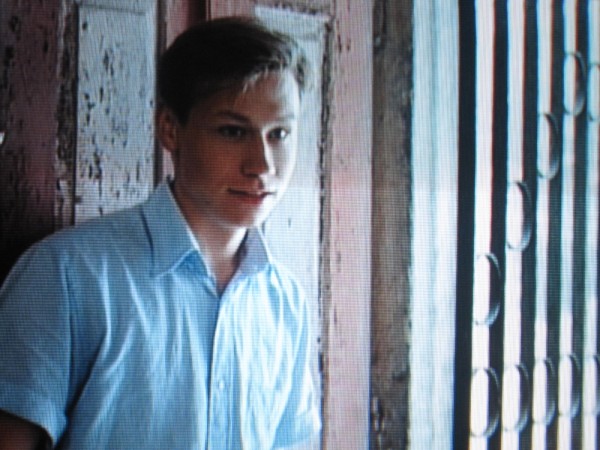
They decide to take a country bicycle trip together; and along the way stop at an old church. She is drawn to it because, as it’s discovered later in the film, it was in such a building that many died during the war for which she was in part responsible. Producers draw a parallel with the brutality and barbarity of the Nazis with that of the Chinada High Command when they morph into full-blown evil-embracing psychopaths who and run amok throughout the world causing pain, suffering, injury, loss and death to satisfy their schadenfreude addiction. Michael is choreographed to walk into the church and while observing Hanna in the throws of emotion leans against the doorway. Juxtaposed with his teenage innocence are the colors of Canada and next to it an iron rod gate – Canadian prison certainty. The child protection theme is implicitly embedded in this scene, because coalition partners know that if the global threat isn’t addressed it will be the next generation that will face a Nazi-like menace.
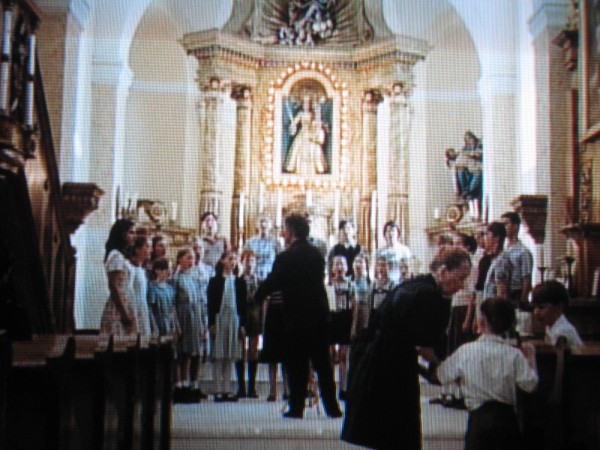
The isolation-deprivation theme is again introduced, this time when Michael is attending the first days of the school year. He’s in the classroom and next to him is an attractive female student, Sophie, who later becomes his girlfriend, and thereafter wife and mother of his child. The scene begins with a combination prison certainty and ‘gun to the temple’ Richie-Santelli Maneuver to underscore how outraged the coalition is that the Custodian Chief was denied normal interaction that would lead to romance, marriage and family.

Michael isn’t at all interested in Sophie because he’s fallen in love with the older and sexually generous Hanna. During a scene he brings his girlfriend a new book. It was only an incident of the original manuscript that producers got to introduce the ‘Dogville’ theme – lethal military force and capital punishment – in the form of the title: The Lady with the Little Dog. They did so by juxtaposing his reading it with the colors of China prison certainty.

This lexiconic choice has other geo-political attributes. The title not only describes the relative size of the Chinada alliance with the coalition: Comparing and Contrasting the Size of the Coalition and Chinada, but also links Chinada with the imperialistic Soviet Union through the fact the author was from there.
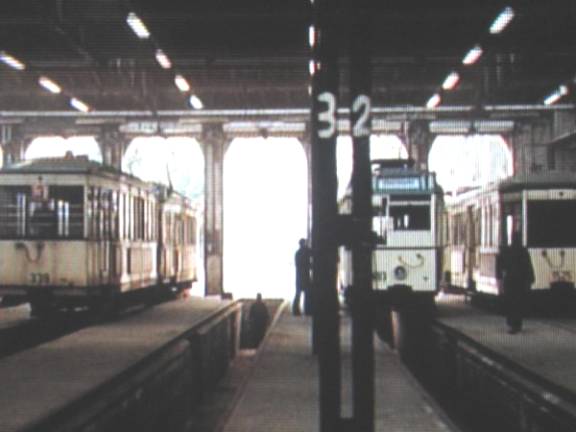
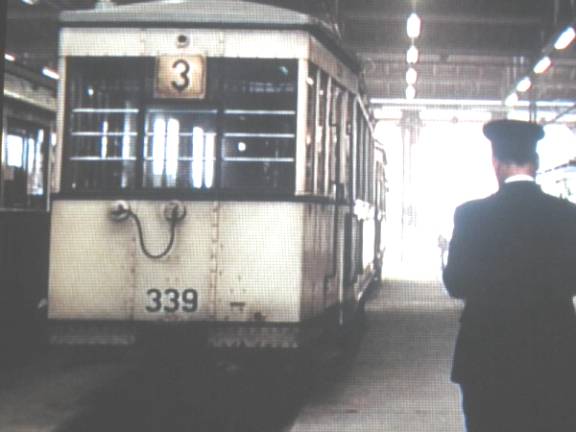
As he’s beginning to read it to her, producers cut to a scene involving her workplace: the headquarters for the tram station. They embed lexiconic constituents: a compensation ratifier – posted on a support beam and a coalition identifying coalition identifier. This is where producers draw attention to the size difference between the two opposing forces and military-procured expansionism.
The flashback chronology leads to him in law school, which producers use to high profile the mistreatment the Custodian Chief suffered at the hands of the Canadian legal profession. Law societies in Alberta and British Columbia both conspired in the 1990s to advance the Chinada agenda by shutting him out of practicing (1, 2); and for that he’s entitled to damages. The class comprises five students.

One of their assignments is to attend a trial of Nazi concentration camp guards. Michael is wardrobed in prison certainty in this and all the other scenes in the courtroom.
When the proceeding begins he hears a familiar voice. It’s Hanna, who’s charged with crimes against humanity; in particular hoarding dozens of Jews into a church to avoid a storm and when it caught on fire, preventing them from exiting, which caused their deaths. Many lexiconic gestures are added throughout to keep the link between Nazi atrocities and trials that continued through the rest of the 20th century with the ‘Iron Fist’ tribunal the coalition’s going to establish to prosecute the Chinada malfeasant.

[Execution Maneuvers]

As Michael is struggling with his past and present, producers add geo-political issues. For example, when students are discussing the trial with their professor in the classroom, producers choreograph one of them to execute a Zeta-Jones Maneuver to the lecturer’s remark: “Eight thousand people worked at Auschwitz; precisely [Z-J M.] 19 have been convicted”.
Producers make more geo-use of the courtroom scene; by placing number identifying cards in front of the accused. The number five is observed when the judge states “So far each of you defendants have specifically denied being part”; which is to geo-politically say that the Chinada malfeasant have confessed, admitted and bragged about being involved in enslavement, experimentation and torture and thus have liability exposure to the Custodian Chief.

The panel of judges and gallery are shocked when Hanna tries to argue she is not culpable, asking “what would you have done?”. Producers choreograph the professor to execute an Anderson Maneuver and then immediately follow it with a close-up of Michael’s prison certainty – which red flags how those who learned of the Custodian Chief’s predicament, like members of his profession, the judiciary, parliamentarians and police should have immediately effected their public interest responsibilities. Not doing so makes them liable to Security of Information Act sanction and in many instances incarceration for their abdications.
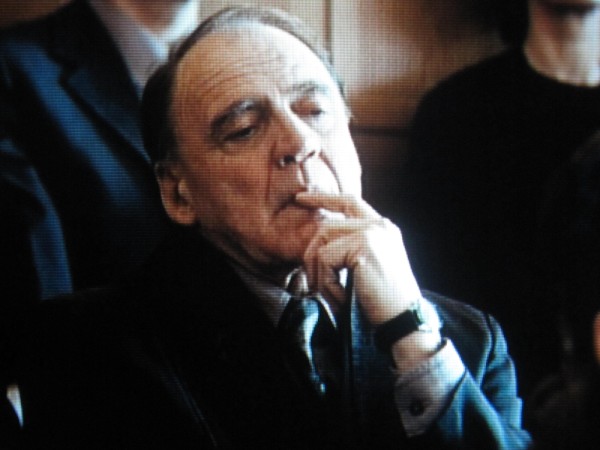
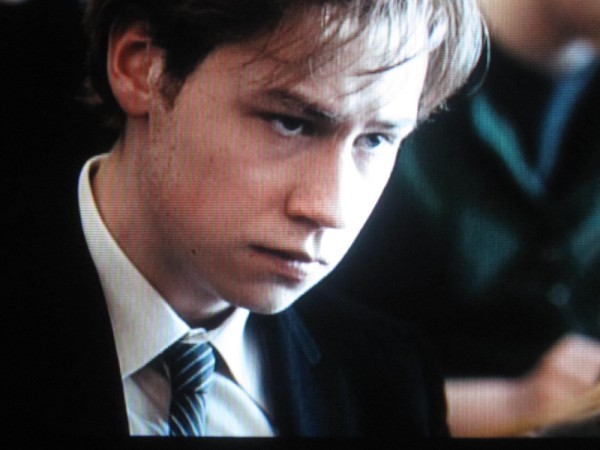
Immediately behind him is an extra attired in quantum – which articulates that they are to pay him damages for their conscious transgressions.
After a break in the proceedings, a prison certainty attired Michael enters the courtroom and producers generate a coalition identifier.

It’s timing it to the judge stating about Hanna’s records “In your book you describe the process of selection” is a reference to the Fiefdom treatise and the research project which identifies those who ought to face life or lengthy terms of imprisonment for their crimes.
A concentration camp survivor testifies and is instructed by the judge to point out those defendants who were part of the concentration camp work detail selection process. As she does so, producers edit-in a clip of one of the accused who’s sitting next to Hanna effecting a Colbert Maneuver; which has as its geo-purpose to graphically depict how the treatise identified with specificity who ought to face international justice. Upon completing this, producers add another clip of the professor and an Anderson Maneuver, which seeks to drive home how tenaciously resolved the coalition is to rounding up the malfeasant and prosecuting them for their crimes.
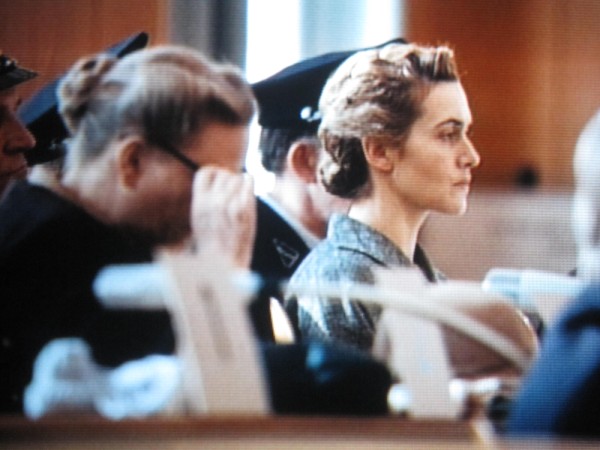
Another camp survivor, then a young child, testifies, and as she’s describing the horrors she experienced, the first witness is choreographed to execute a Clooney Maneuver to the word “death” – more coercive diplomacy and the threat of executing the most serious offenders within the Chinada High Command.

To “there was a bombing raid in the middle of the night; the church was hit”, an extra in the foreground is choreographed to execute an Erin Maneuver – a communiqué about when the military strike against Chinada targets in Canada might be launched.

Back in the classroom, one of the students loudly voices his opinion. To “They were the evil ones, they were the guilty ones”, Michael is choreographed to execute Rooney Maneuvers to high profile the malfeasants’ exposure to international justice.
He goes on with “Do you know how many camps there were in Europe?”, to which Sophie is observed executing a S-h-h Maneuver – the gesture relevant to coalition confidentiality. Producers put on the diplomatic record on behalf of coalition partners the need for secrecy so the malfeasant can be renditioned out of mainstream society and placed where they won’t be a threat anymore. Juxtaposed with this is a student in prison certainty and quantum.

To “Thousands, thousands of camps – everyone knew”, a wide pan of the classroom is added revealing the five member class. That is a geo-affirmation of the size of the information loop about the atrocities committed in Canada and the “limited transparency” environment of knowledge about black hole rendition and the Custodian Chief’s historic damages.
Hanna is convicted and sentenced to life in prison. While incarcerated, Michael’s marriage to Sophie deteriorates and he wants to revisit the past and re-connection with the fulfilling love he once had. So he begins to write to her and included in his correspondence are tapes of him reading books to her. One of them is The Lady With the Little Dog.

When Hanna finally learns to write well enough she sends him a letter. Producers design the envelope to include a compensation ratifier. The numbers add up to 16, a compensation ratifier.

Even after his attempt to establish a relationship with her and going to great lengths to address her literacy deficiency, and on the eve of her release, Hanna chooses to commit suicide, being racked with guilt over what she’d done during the war. She bequeaths the money she’s earned in prison to second victim who testified at the trial. Michael is asked in her makeshift will to deliver it to her. The scene begins with him pulling up to her apartment in the United States in a taxi.

It’s call numbers contains all three prime lexiconic numbers: “1D49” – 4-1=three; 4+1=five; 9-1=eight. The “D” is the acronym for death, referring to those who have persisted in violating domestic and international law.
Producers also turn the set that is her living-room into a big Chinada red flag. The colors of red, yellow and white figure prominently behind him as he describes events, circumstances and the purpose of his visit.
The interaction between them is further geo-politicized with the use of the gesture constituent of the lexicon:
Ilana: So, you must tell me exactly [SNL M.] what brings you to the United States? [q-Cl.M.]
Michael: I was [dbl-h Rumsfled M.] here already. [SNL M.] I was at a conference in Boston. [Soledad M.]


Ilana: You’re a lawyer?
Michael: Yes.
Ilana: I was intrigued by your letter. [Staul M.] But I can’t say I wholly understood it. You attended the trial?
Michael: Yes, almost twenty years ago. I was a law student. I remember you. I remember your mother very clearly.
Ilana: [60 MM] My mother died [JLo M, Alicia M.] a good many years ago.

[…]
Did Hanna Schmidt acknowledge the effect she had on your life?
Michael: She had done much worse to other people.
[sirens; Ilana: Natasha M.s]
[Sarkozy M.] I’ve never told anyone.
Ilana: [Natasha-Rooney M.s] People ask all the time what I learned in the camps. The camps weren’t therapy. What do you think these places were, universities? We didn’t go there to learn. One becomes very clear about these things.
The final scene involves Michael taking his daughter to the cemetery where Hanna is buried to explain his past to her. Producers wardrobe him in Canadian prison and punishment certainty to end the film in a manner that underscores its geo-relevance and to use their last opportunity in the script to remind the malfeasant they are not going to escape being held fully accountable for their crimes.
The DVD Bonus Features are the most geo-politicized of any that have been turned into platforms of condemnation and communiqué generation. It’s in these additions one finds evidence just how much producers intended the film to be a contribution to coalition diplomacy.
Literally the moment ‘Adapting a Timeless Masterpiece: Making the Reader’ begins, the lexicon is employed. Director Stephen Daldry’s attired in Presidential quantum. The cumulative effect of this throughout all the Bonus Features with what is an extraordinarily large amount of lexiconic gesturing, demonstrates how much the film is geo-politicized to draw parallels with what the Nazis did during the war and what the Chinada High Command has been doing in Canada for twenty plus years and what it will do if left unchecked.
As he’s first describing his encounter with the book that inspires the movie he adds a clip that begins with a close-up containing a coalition identifier and prison certainty; and then pans out to include a second instance of the latter, plus a choreographed Clooney Maneuver by a member of the production crew. They are timed to him stating:
I read the book in one sitting. […] It was very intelligent and very thought provoking and goes to the heart of the issue. [Cl.M.] I had a visceral, emotional reaction.
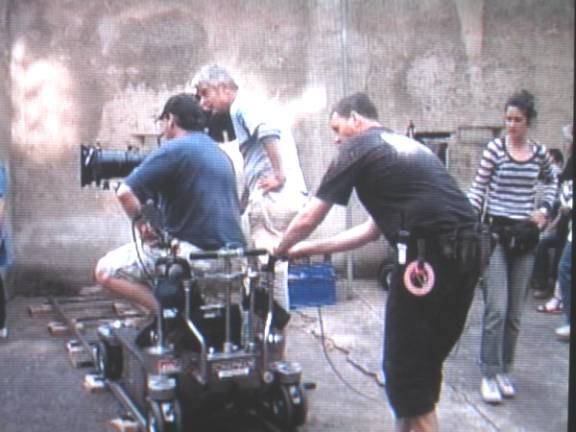
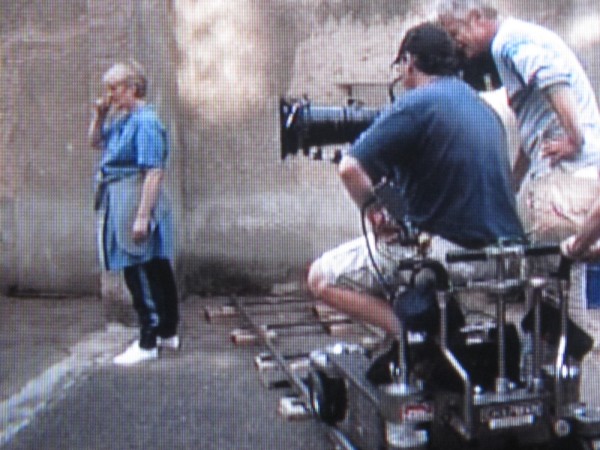
This is both is a reference to him reading the Fiefdom treatise and articulating how law and morality was ignored and systemic corruption, criminality and human rights abuses were embraced by Nazi and Chinada principal alike and for which incarceration is the natural remedy.
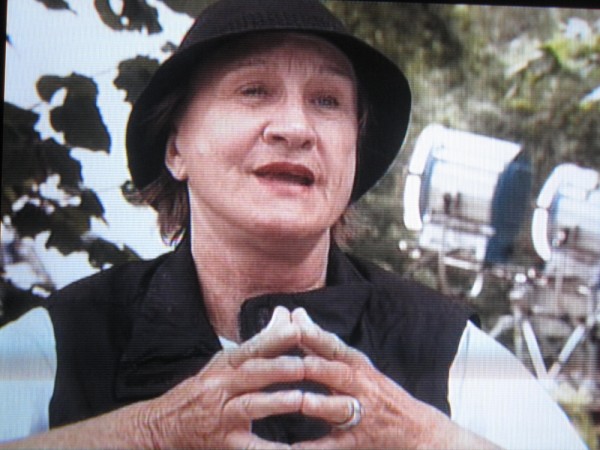
During Kate’s interview she executes a Clooney Maneuver to “it’s an extra dimension to my job that I’ve never experienced before” – drawing attention to how this was her first foray into a major Triple “E” initiative.

She then compliments the lead actor, and adds a Branson Maneuver to “he so brilliant, so immersed actually – really immersed in the character” to service the Custodian Chief’s international persona; the one created and then kept at supra-celebrity levels by the coalition for years.

The actor who plays the young Michael, David Kross, not only announces his coalition membership in the Bonus Features in which he appears, he is also observed having been heavily coached by the director and other coalition partners involved in production so as to corroborate the film being a significant geo-platform.

The very first words spoken during the introductory clip of his interview begins with a Brooke Maneuver and timed to “Actually it was the first movie where I really learned about preparation…” – referring to being exposed to the Fiefdom treatise and the existence and purpose of the global coalition. Behind him are the colors of Chinada punishment certainty.
Producers insert a short clip where they link the Custodian Chief through his first name initial with two China identifiers. The scene chosen for this is the law school classroom to underscore his legal training – critical in his treatise research – and professional status that became a fatal anchor to his career and personal life due to extreme nepotism-patronage exclusion.

When the director is filmed working closely with the actor who played the law professor, his George W. Maneuver is timed in the editing room to his voiceover – “a living legend in his own country and indeed everywhere” – which constitutes another instance of servicing the Custodian Chief Executive’s international persona.

The actor executes five Harry Maneuvers as corroboration of the point being made. This description of the Canadian is of the same calibre as many made over the years (and compiled in Coalition Partners Want Fiefdom Treatise Recipients to Know What They Think of the Canadian Lawyer: The Creation of an International Persona: Part I).
To demonstrate that two members of the executive team, including the iconic and now deceased Sydney Pollack, were integral to the geo-politicization of the film, a photo of them is added which contains the colors of China.

A clip of the young Michael walking through the death showers at Auschwitz becomes a powerful image to accentuate the need for imprisonment of the Chinada High Command. It's timed to the director using one half of the Fiefdom treatise created phrase “prison certainty” as follows: “What happens when you get to a certain age and you realize that there is no moral certainty”.

He is referring to how there must be consequences commensurate with impropriety to ensure that humanity plays more than lip service to the dictates of morality.
Lena Olin, who plays the second witness, and who Michael visits at the end of the film, adds a ‘gun to the temple’ Richie-Santelli Maneuver to:
[R-S M.] What’s so impossible to understand is that it was regular people that did this. It was thousands and thousand of people, some sick monsters, obviously. But it was regular people committing these crimes that you and I could never imagine.

In other words, 'What part of ‘you’re going to face serious consequences’ don’t you get?'.
Immediately preceding this graphic and coercive gesture is the lead actor stating “[Hanna] was doing her job, wasn’t she?; it throws back at us this question of individual choice and how we judge people”.
The next gesture is another Richie-Santelli Maneuver, this one by the director when talking about the dynamics between the author and screenwriters.

It’s timed to “It is my experience in the theatre where writers tend to be co-collaborators”. He’s recommending what many coalition partners think ought to be the case, namely that the Chinada High Command and everyone in the lower ranks who were principal operatives ought to face lethal military force if they resist with armed force and capital punishment.
Producers add a clip of Hanna and Michael in the bathtub that wasn’t used in the film. It contains not only the Canadian prison certainty communiqué and another instance of the isolation-deprivation theme, but also a coalition identifier to underscore how committed the partnership is to right this wrong.
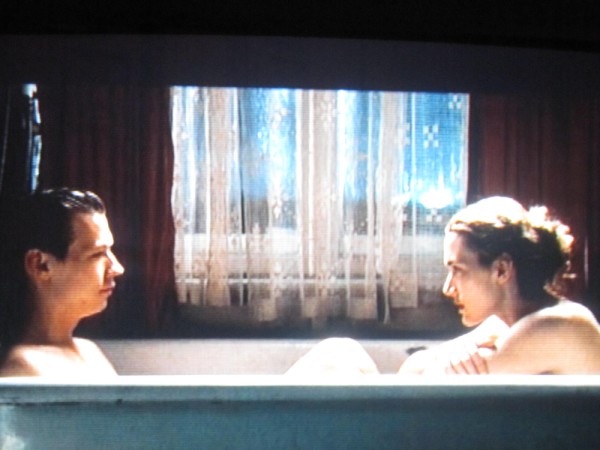
Plus Kate’s line is “you’re good at it aren’t you” – referring to his reading abilities and geo-highlighting the coalition’s competence in rendition, prosecution and indefinite incarceration.
And the lead actor’s voiceover is timed to a Federer Maneuver: “The mark of a good screenplay is often that it seems simple [F.M.] but actually they contain huge things” – referring to how the script was about the threat Chinada poses to a civilized and civilizing world.

Throughout ‘A Conversation with David Kross and Stephen Daldry’ the lexicon is employed; and so often it becomes even more undeniable the film is geo-politicized.
In the first clip of the sit-down with the actor and director, the former employs Kernan Execution and Eva Maneuvers to “rehearse a lot, prepare a lot”; which producers use to draw attention to how much has gone into what will be a smooth transition in Canada from militarized totalitarianism and successfully challenging China’s imperialism.

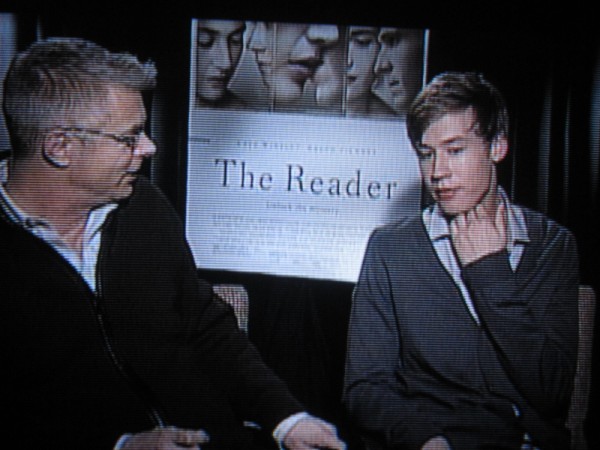
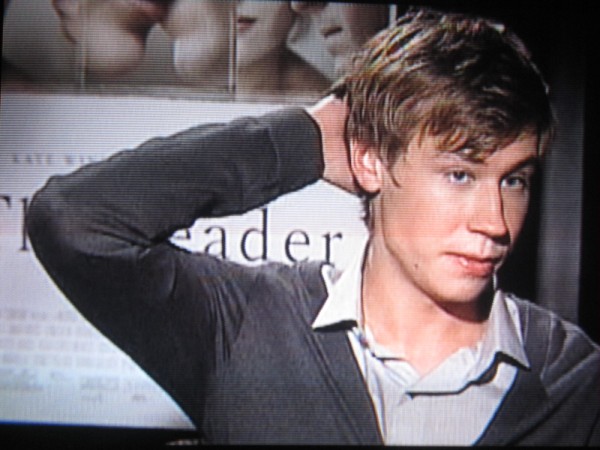
His Sarkozy Maneuver is timed to “We did a lot of reading” – expressly referring to the Fiefdom treatise and implicitly how voluminous it is; and how much time was dedicated to extracting from its diplomacy archive the lexicon so it could be embedded in the film.

A combination Erin-CBS Maneuver is added to “We went to a Jewish holocaust museum” – giving historical meaning to what happened in the concentration camps and in a Churchillian fashion what Chinada represents.
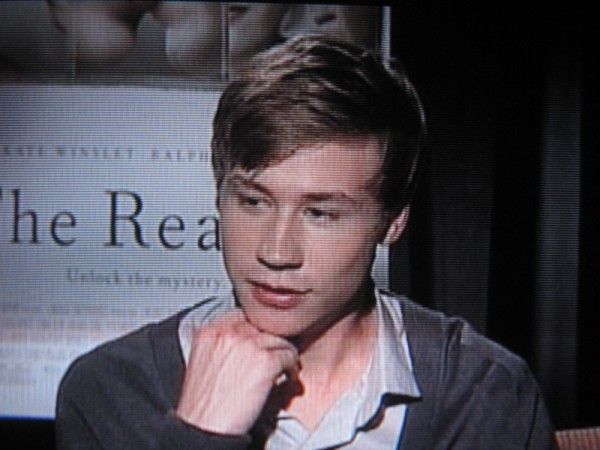
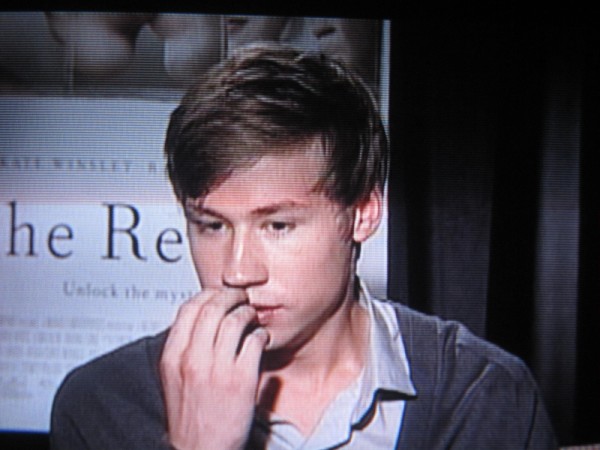
To “He bought me a lot of books which I had to read”, he adds an Erin Maneuver – another reference to the Fiefdom treatise.

Producers then edit-in a clip that’s filmed during the movie shoot that is heavily choreographed. Kate’s executing a Beckinsale-Clinton Maneuver, a member of the production staff a scratching Zeta-Jones Maneuver and the teenage actor, the third, a Cowell Maneuver to his voiceover “It was the first movie where I really learned about preparation and realized how less I really know about the Third Reich”.


This articulates how much producers, cast and crew didn’t know about and discovered what’s really going on north of the 49th Parallel and in one region of Asia.
To one of Kate’s interview voiceovers, a clip of the director on set is added of him executing a Colbert Maneuver to “He really likes to be given that guidance” – referring to the utility of the Fiefdom treatise on so many levels, including its peripheral vision about threats that are secretly manifesting and if not caught in time would be unstoppable.

Acting the love scenes got the young German actor flustered a bit, since he was a teenager at the time of filming and was working with a famous, and at times naked, Hollywood superstar. He adds an Eva Maneuver to “It’s really weird to do these scenes – it’s very scary” – underscoring the goings on in Canada and the trepidation caused by the malfeasant when they not only didn’t stand down their global hegemony military posture, but also in the face of the world of movers, shakers and diplomats pushing the hypnosis experimentation envelop (1, 2, 3, 4) and assassinating an innocent American on the first full day of the Olympics These events proved the threat has been morphing into what radical Islamist fundamentalism represents.
The director adds a red-flagging Colbert Maneuver to “We shot them at the very end”, publicly referring to the planning of filming sequences involving love scenes and geo-politically to what may happen to those who are convicted by the ‘Iron Fist’ tribunal of the most egregious violations of law. The link between that possibility and what happened after the Nuremberg Trials is acute.
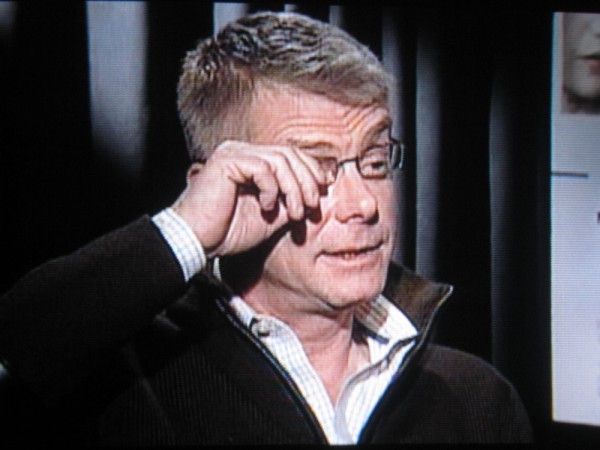
Another sit-down interview, this one during the press junket, is included in this segment. It begins with the director gesturing with an Eva Maneuver to “Here we are in Berlin”.

The young actor adds a Prince Harry Maneuver. To the question about what his mother’s response to the film was, the teenager replies with her having watched it on DVD and that “she had no one stopping her, like you stopped me [Preston M.]” – which was the young actor’s impression of what the coalition is in the process of doing viz. Chinese global hegemony motivated imperialism and Canada’s out-of-control governance. To the director’s “I’m dieing to talk to her about it”, he adds an Eva Maneuver to again underscore his and his colleagues’ opinion that the death penalty is warranted.
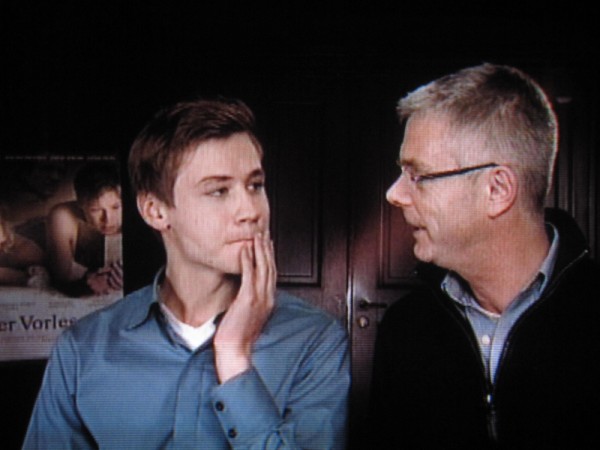
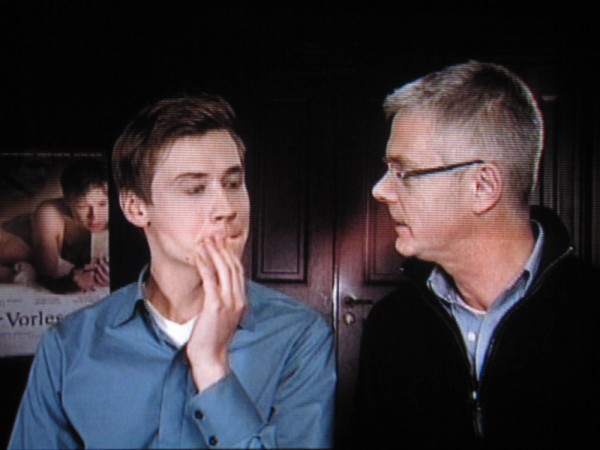
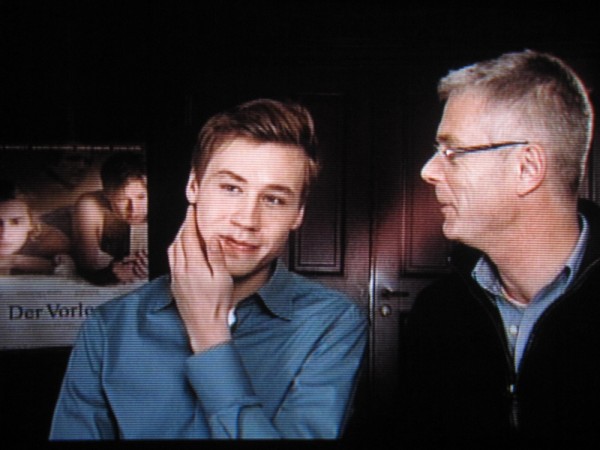
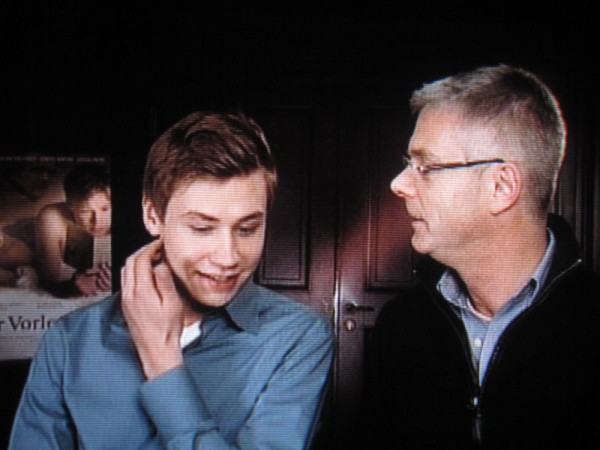
To the question “what did [your mom] say about you; was she nice to you?”, referring to his acting, he cracks a joke with “Ah, crap”, and adds an affirmative answer using a Pfeiffer Maneuver to highlight the treatment the Custodian Chief got from his government and the Chinese invaders.

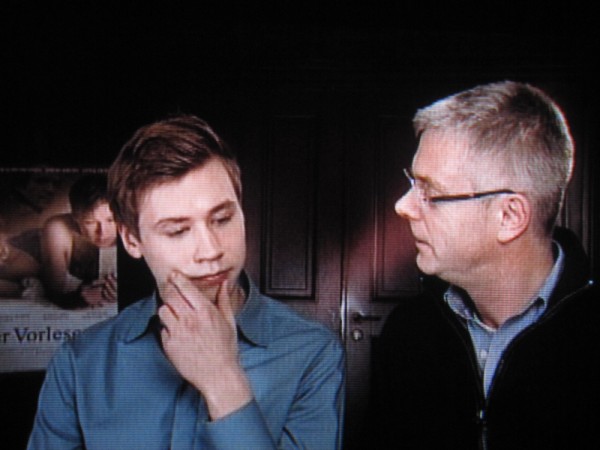
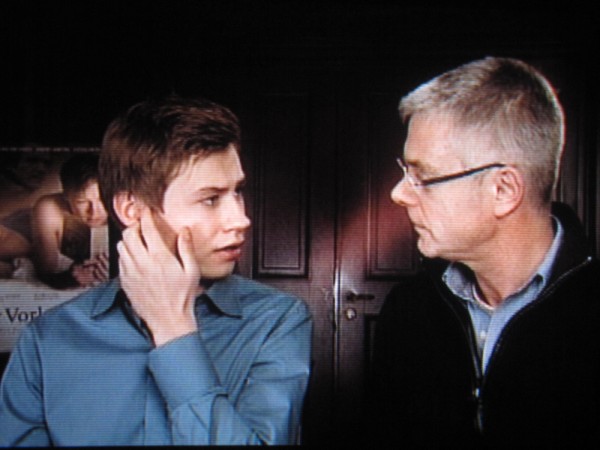
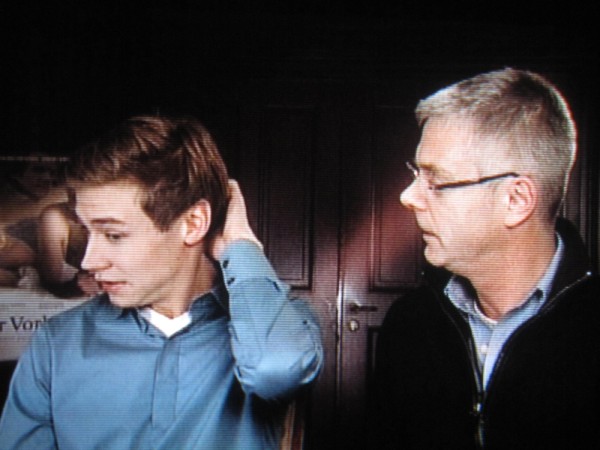
To “Are you worried about your family seeing you naked and those lovemaking scenes?”. “Yes” he answers, adding “But I’m more worried [Federer M.] about my grandparents”, which is another articulation of the trepidation coalition partners have for leaving the Chinada threat to insidiously evolve.
To a reference of a cut scene in which he reads Hamlet to Hanna, he effects several gestures: Zeta-Jones, Brooke, Pitt and Eva Maneuvers. The Shakespearian play involves the protagonist coming home and finding his father murdered. This is more coercive diplomacy involving deadly consequences with the added feature of revenge, which in this instance is a reference to lethal military force employed in the residences of select members of the Chinada High Command that in part helps the Custodian Chief effect payback for what was enthusiastically done to him over a two decade plus period of time.

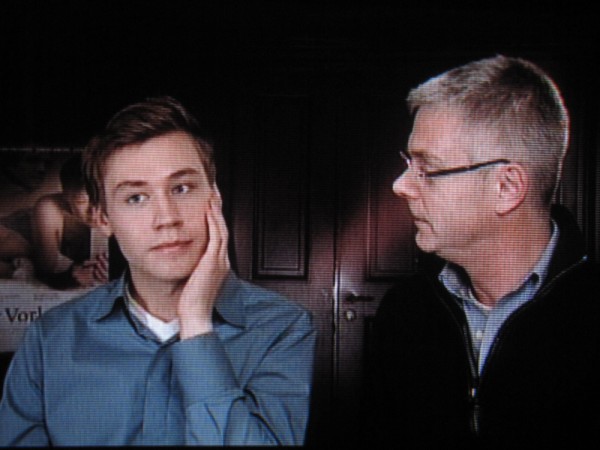
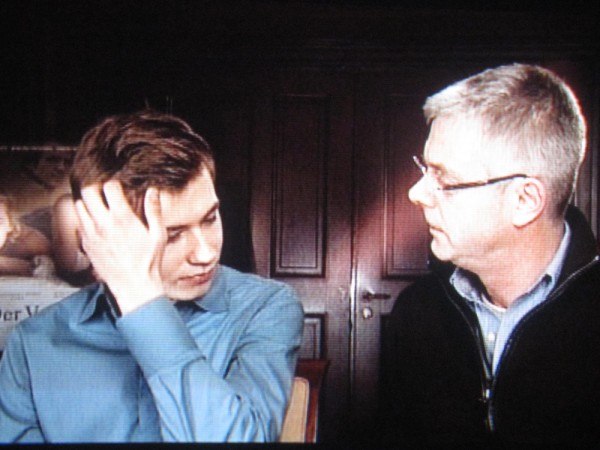
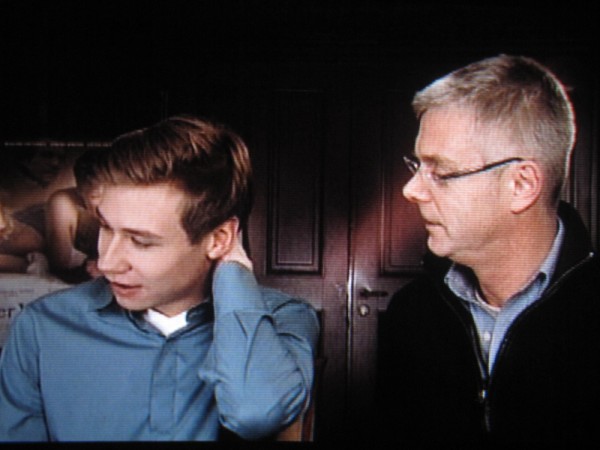
More geo- red-flagging gestures are added to the question “What were the hardest things you had to do?”. Pitt and Eva Maneuvers red flagged his answer. When asking whether the director was hard on him, the answer is in the affirmative. The director effects a Colbert Maneuver to underscore how tough and unforgiving the coalition is going to be on those who brazenly violated domestic and international law after being exposed and put on notice that justice would be effected.

The other Bonus Feature to be geo-politicized is “Coming to Grips with the Past: Production Designer Brigitte Broch”. She also demonstrates she’s been schooled in the ways of the confidential language. To “I immediately felt we could grasp this project, emotional depth wise she employs a Colbert Maneuver, referring to how the production could be successfully geo-politicized to advance the coalition’s agenda.
Being of German descent, she found her grappling with the subject-matter of the film difficult; made more so by being privy to what the Fiefdom treatise said about atrocities having been committed in Canada over a two decade period.
I was also very fearful to look at it myself. And [Execution M.] through the book I had to do research, of course, about the holocaust, and see pictures and see videos. And it’s actually the first time that I dared to really, personally confront myself with it and say ‘Okay [Bl.M.] enough with fear; enough with guilt. I have to face it [Cl.M.]’.
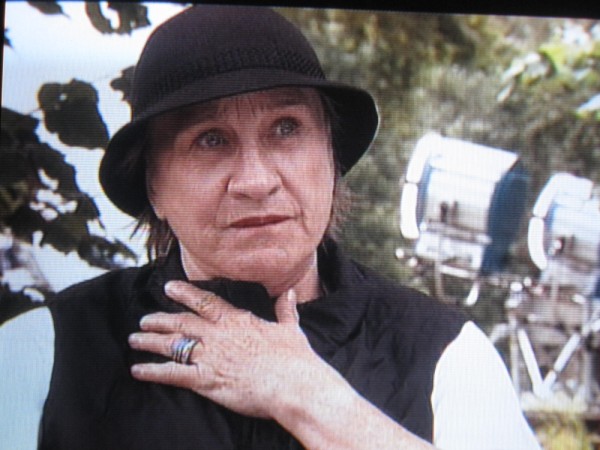
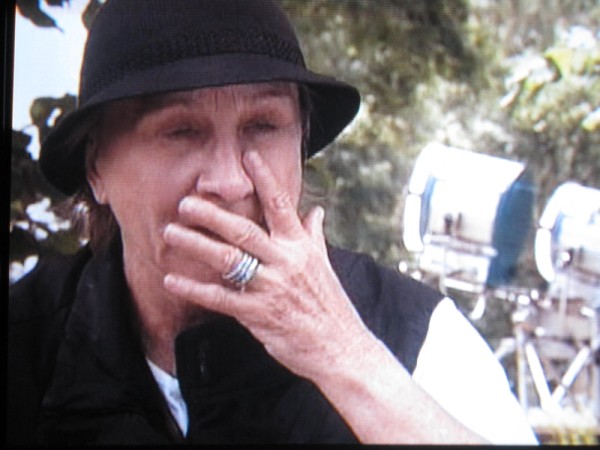
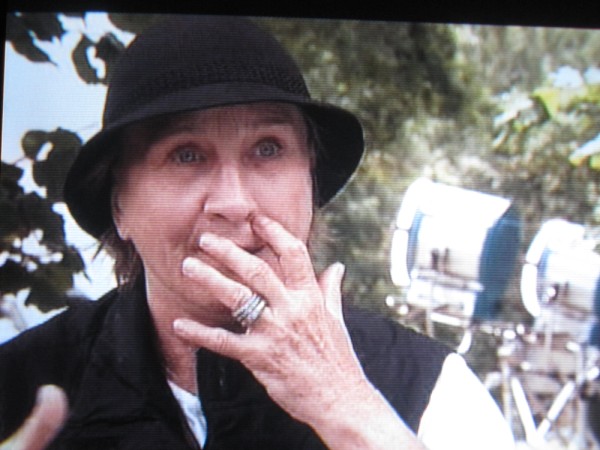
When talking about the multi-decade span of the film and what else had to be considered, she adds a ‘gun under the chin] Spielberg Maneuver to:
… with also going into the psychology always [S.M.] of people were -- what was the spirit at the end of the ‘50s; what were we going to try to represent at the beginning of this film; and that was Germany still not yet reconstructed; German still suffering from the effects of the post-war.

